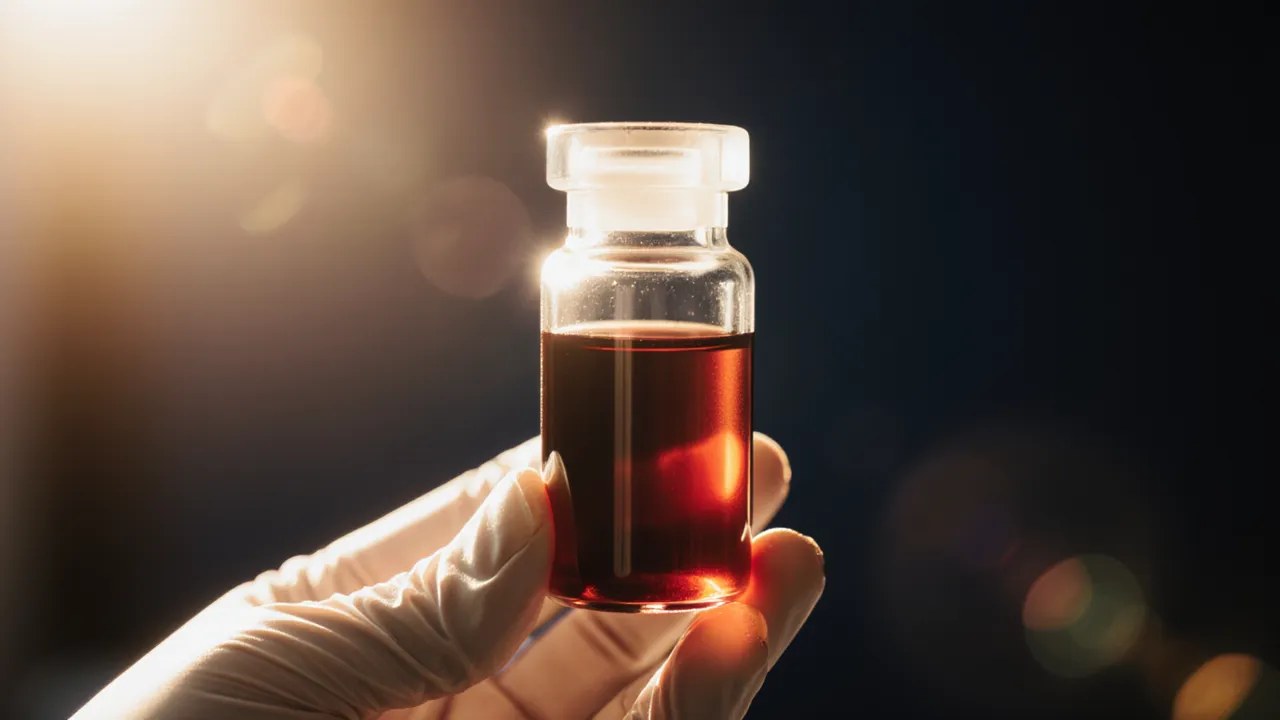
Blood: More Than a Transport System
Blood is far more than a transportation system for oxygen and nutrients. It's a biological treasure trove – a complex fluid containing not just cells, but an elaborate mixture of proteins, signaling molecules, and extracellular vesicles. Understanding blood as a source of bioactive molecules unlocks significant therapeutic potential.
For centuries, medicine recognized blood's role in oxygen delivery. Modern biology reveals a deeper truth: blood is also a delivery system for biological communication.
Why Blood Is Such a Valuable Source
Systemic Exposure and Molecular Diversity
Blood circulates throughout the body, interacting with virtually every tissue and organ system. This systemic exposure means blood accumulates a broad spectrum of biologically active molecules – a veritable library of signaling substances produced across your entire physiology.
Blood is a biological communication network, accumulating molecules from tissues throughout your body and distributing them systemically.
Because blood touches every system – immune, nervous, endocrine, musculoskeletal – it contains molecules that reflect the current physiological state of your entire body. This makes blood-derived material exceptionally rich in health-relevant bioactive molecules.
Accessibility and Practical Advantages
Beyond its molecular richness, blood offers practical advantages. It can be obtained safely through a simple blood draw – minimally invasive compared to tissue biopsies or bone marrow collection. This accessibility makes blood an ideal starting material for therapeutic preparations.
Blood collection procedures are standardized, well-established, and carry minimal risk. The yield of biological material from even small blood volumes is substantial, making blood-based therapies practically viable at scale.
The Cellular Sources Within Blood
A Complex Cellular Community
Blood contains multiple distinct cell types, each producing its own characteristic set of bioactive molecules. Red blood cells, white blood cells, and platelets represent different cellular factories, each secreting distinct growth factors and signaling proteins.
The buffy coat – the layer of white blood cells and platelets visible after blood centrifugation – is particularly rich in bioactive molecules. Platelets alone contain hundreds of growth factors stored in cellular granules, ready to be released.
Blood-Derived Cells as Biological Factories
When blood-derived cells are processed under controlled laboratory conditions – conditioned – they respond by releasing heightened quantities of their natural secretome. This is not an artificial process; conditioning mimics physiological signals that naturally stimulate cells to increase their output of bioactive molecules.
Blood-derived cells contain the blueprints for biological healing and tissue support – they're simply waiting for the right conditions to express their therapeutic potential.
From Blood Collection to Concentrated Preparation
Processing and Concentration
The journey from blood sample to therapeutic preparation involves several key steps. First, blood-derived cells are isolated and cultured under specific laboratory conditions that stimulate them to release their secreted molecules.
Next, the resulting conditioned medium – the fluid containing the concentrated secreted molecules – is harvested and processed. Centrifugation and filtration steps remove cellular debris and concentrate the bioactive molecules. The result is a preparation containing growth factors, cytokines, and extracellular vesicles at therapeutic concentrations.
Autologous Advantage
Because these molecules come from your own blood-derived cells, the resulting preparation is entirely autologous – a concentration of your own body's natural secretions. This biological harmony means the molecules work within the context of your own immune system and physiological environment.
Molecular Diversity in Blood-Derived Preparations
Growth Factors and Cytokines
Blood-derived preparations contain a diverse array of growth factors – molecules that signal cells to grow, differentiate, and proliferate. They also contain cytokines that regulate inflammatory and immune responses. This molecular diversity reflects the complexity of biological communication systems.
Extracellular Vesicles: Biological Messengers
Perhaps most intriguingly, blood-derived preparations contain extracellular vesicles – tiny packages that carry protein and RNA cargo. These vesicles enable cell-to-cell communication with remarkable sophistication, delivering specific molecular messages to target cells.
Looking Forward
The recognition of blood as a rich source of bioactive molecules represents a paradigm shift in regenerative medicine. Rather than introducing synthetic proteins or genetically modified organisms, blood-based approaches leverage the sophisticated molecular system your own body has evolved.
As research continues to map which specific molecules within blood-derived preparations produce particular therapeutic effects, blood will increasingly serve as the foundation for personalized regenerative medicine tailored to individual physiological needs.