Through the late 2000s and early 2010s a quiet shift took place across regenerative-medicine research. Laboratories that had spent years studying how to deliver living cells to patients began noticing something inconvenient. In many of their best results, the cells themselves were not the active ingredient. The implication, if true, was that the field had been answering the wrong question.
The shift did not arrive as a single discovery. It accumulated across hundreds of papers spread over a decade. A handful of review pieces are useful landmarks for anyone trying to understand how the conversation moved. Camussi and colleagues in 2013 surveyed the cardiac and renal literature and noted that infused mesenchymal stem cells routinely failed to engraft in target tissue, did not replace damaged cells in any meaningful numbers, and yet were associated with measurable biological effects. Yeo and colleagues, in the same year, reached a similar conclusion looking at musculoskeletal and immune-system models.
Two years later Katsuda and colleagues published a broad 2015 review that brought together evidence from across therapeutic areas: orthopaedic, neurological, cardiac, immune. The pattern was consistent enough that the review framed it as a working hypothesis for the field. The reparative and regenerative effects of mesenchymal stem cell therapy were, in most documented cases, paracrine in nature. The cells were not transforming into replacement tissue. They were sending biological signals into the surrounding environment, and those signals were what the body responded to.
Lopatina and colleagues, earlier in 2012, had already pushed the argument further. Their work focused specifically on cell-free preparations, in which microvesicles and other extracellular materials were isolated from cell cultures and used without the cells themselves. The biological effects in laboratory and early-stage clinical models were comparable to what whole-cell preparations produced. If the active ingredient could be separated from the cell of origin, the cell was not the necessary delivery vehicle. It was, in many cases, a complication.
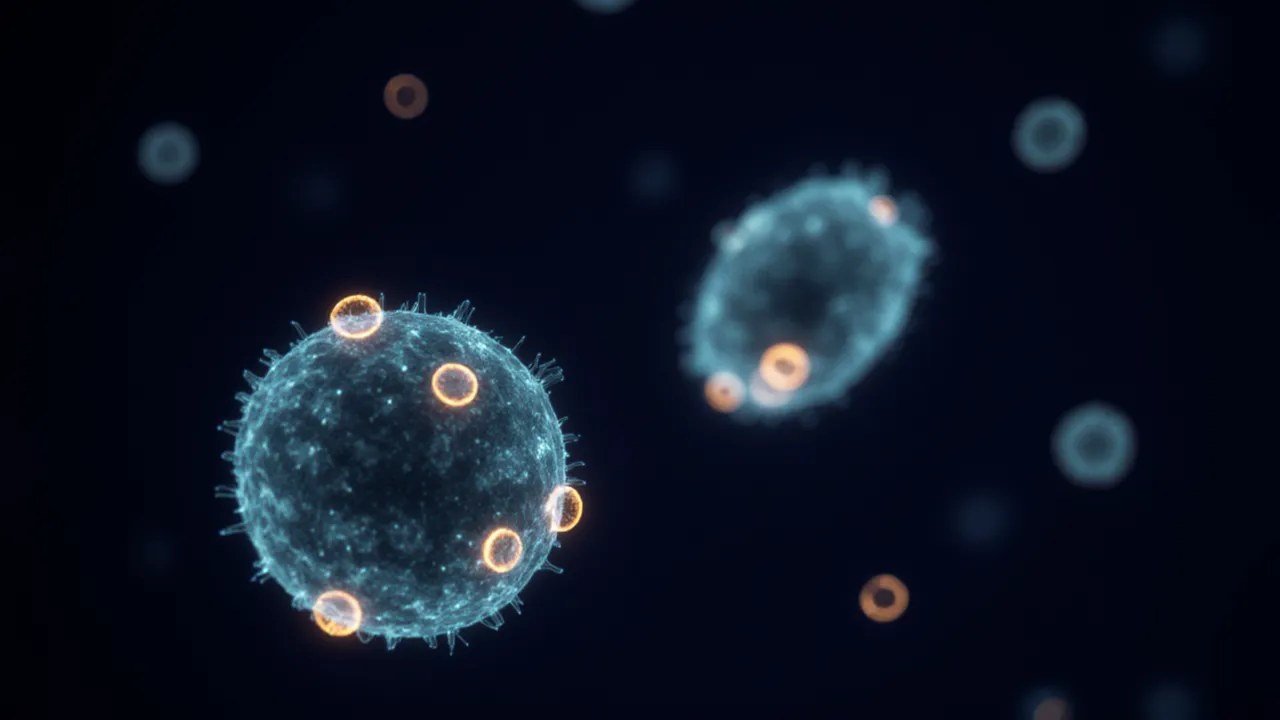
The collective term that emerged for what cells release into their environment is the secretome. The term covers a heterogeneous mix of biological materials: small membrane-bound vesicles called extracellular vesicles or EVs, soluble signalling proteins including cytokines and growth factors, micro-RNAs that influence gene expression in target cells, and a long list of other molecules whose roles are still being mapped. Each of these has its own literature now. The point relevant to the shift in regenerative-medicine thinking is that they were all present in cell-conditioned media, and they all turned out to do biological work.
What this meant for the field was a different research agenda. If the secretome was the active material, the practical problems shifted. How do you elicit a reliable, characterised, reproducible secretome from a given biological starting material. How do you preserve it through preparation. How do you deliver it. How do you measure what is in it. How do you ensure consistency across batches and across patients. These are different questions from the questions that occupied the cell-therapy field through the 2000s.
Different questions led to different programmes. The cell-free, secretome-led research approach the Wellbeing International Foundation now works under sits inside that wider field. It is not the only line of work in the space. Other groups remain committed to cell-based therapy, particularly in oncology and severe immune disease where the biology is structured around the cell itself. But for the broad regenerative space, in which the goal is to support the body’s own repair processes, the cell-free thesis became increasingly mainstream through this period.
Three decades after Wellbeing’s original Swiss laboratory first asked whether the cell was really the active agent, the wider field had landed on something close to the same answer. The science continues to refine which components of the secretome do which work, in which contexts, at which doses. The general direction of travel is settled.