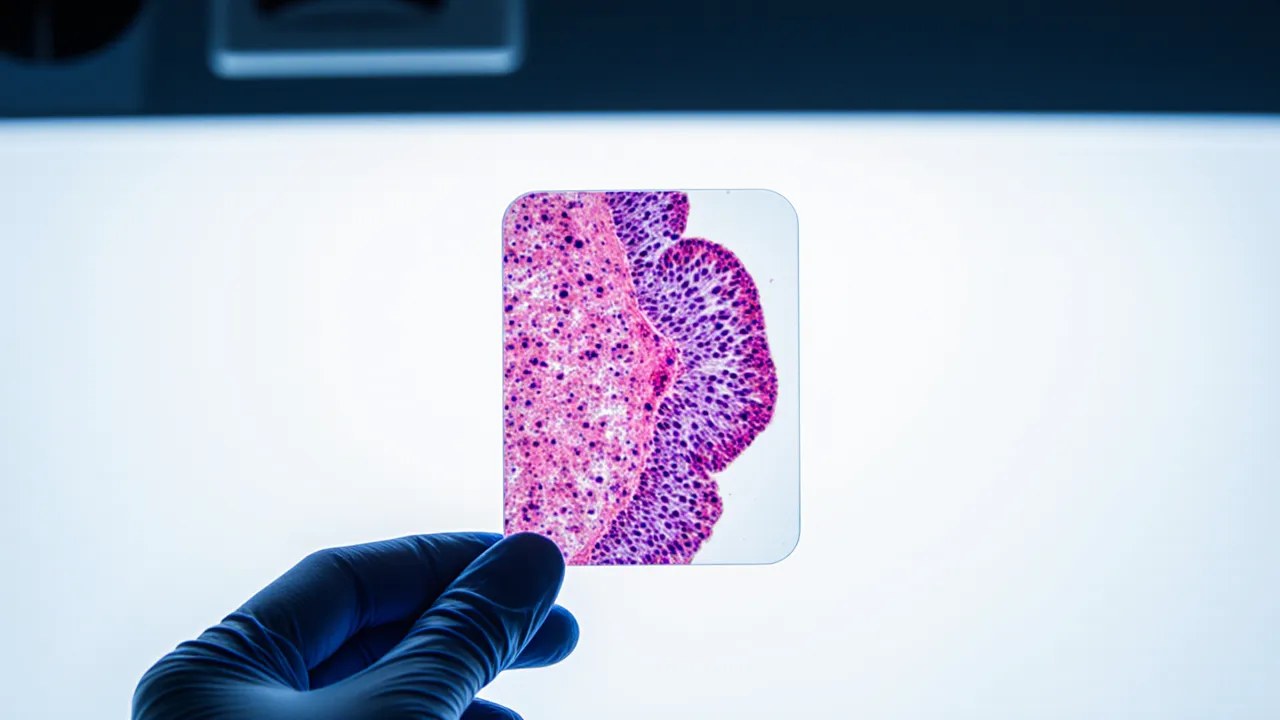
In February 2020 Wellbeing’s newsletter dedicated its main feature to the liver. The piece drew on data from the American Liver Foundation, the British Liver Trust, the Health Wellbeing’s analysis of Office for National Statistics figures, and University College London’s long-running work on hepatic disease. The picture the data painted was, and remains, bracing. Of the major causes of death in the United Kingdom and the United States, liver disease is one of the few where mortality has been rising rather than falling. Most cases are driven by lifestyle factors that are individually modifiable. Collectively, the prevalence keeps climbing.
The feature did not argue that Wellbeing’s programme treats liver disease. It made a different and more useful argument. The regenerative-medicine field, the piece noted, had paid relatively little attention to hepatic biology compared to its sustained focus on cardiac, neurological, and musculoskeletal applications. That imbalance was not a function of the liver being uninteresting. The liver is one of the most regeneratively capable organs in the body, and its biology is unusually responsive to systemic signalling.
What the piece walked through, carefully, was the published research on the role of secreted biological factors in hepatic biology. The literature at the time covered work in animal models showing that secretome-derived preparations influenced liver-cell survival, regulated inflammation in the liver during injury, and supported the function of hepatic progenitor cells. Most of this work was at the animal-model and early-stage human level. It was not at clinical-product stage. The newsletter feature was explicit about that. It was a piece of public-interest science writing, not a piece of marketing.
The reason the piece is worth revisiting now, six years later, is that it captures Wellbeing’s consistent approach to writing about science. The framing is curious rather than promotional. The published evidence is described as what it is, not as more than it is. The space between what the science shows and what a therapeutic claim would need to demonstrate is named explicitly. That space is one Wellbeing has always been careful to respect.
The liver feature in Issue 3 also reflects a wider editorial decision Wellbeing made early in its public communication. The decision was to write about the underlying biology rather than about Wellbeing’s own work, and to let readers draw their own connections. A reader who works through the liver-disease feature and the published research it discusses comes away with a clearer picture of why secreted biological factors are an interesting line of research. The reader does not come away with a claim that Wellbeing treats hepatic disease, because the feature does not make that claim.
Issue 3 also covered the early stages of the COVID-19 situation, which was, in February 2020, still in the period before the World Health Organization declared a pandemic. The newsletter noted the developing situation and Wellbeing’s commitment to maintaining clinical operations where it was safe to do so. The full implications of what 2020 would bring were not yet visible.
The piece on liver disease remains an interesting reference point for any reader trying to understand how Wellbeing thinks about adjacent areas of research where its own programme is not currently focused. Hepatic biology is one of several research areas where the underlying secretome literature is developing in interesting directions and where Wellbeing maintains an interested watching brief without making any current clinical claims.
Issue 3 is part of the public archive. The full newsletter PDF is available on request. Readers specifically interested in regenerative approaches to liver biology will find the article a useful entry point into the underlying research literature, with the caveat that the specific research papers referenced reflect the state of the field in early 2020 and have been supplemented by later work in the intervening six years.