The Body's Living Network
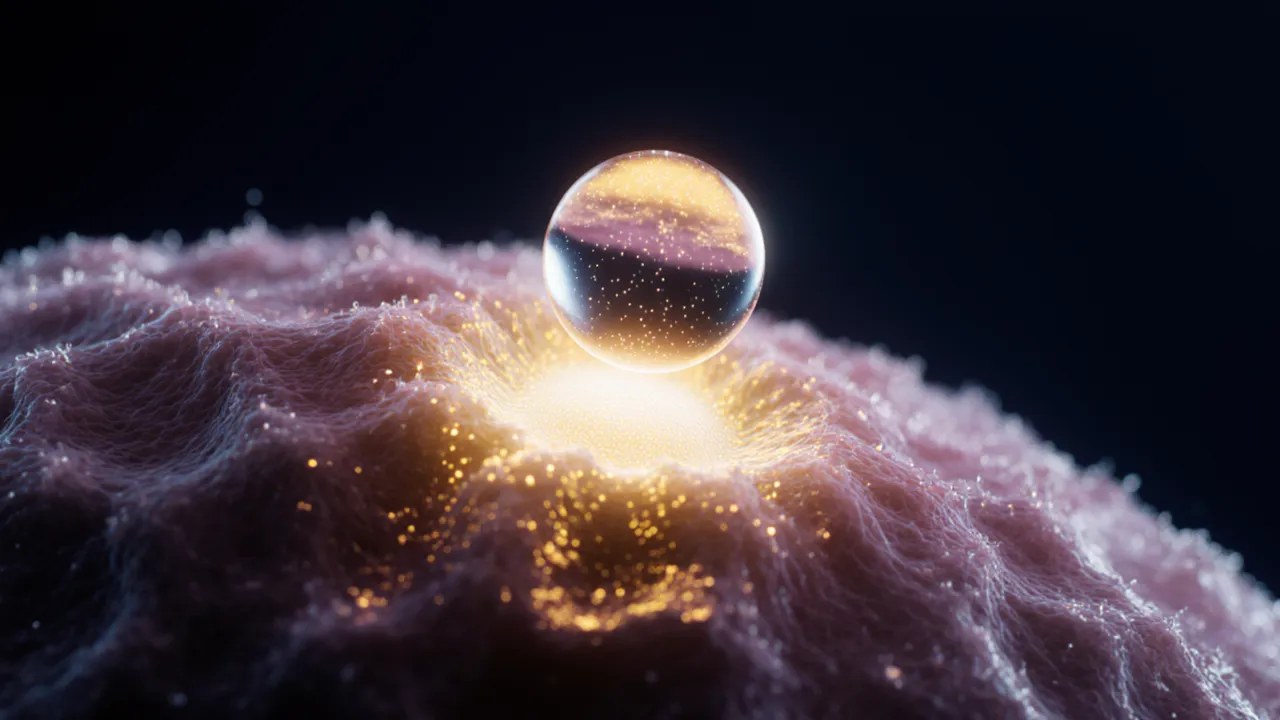
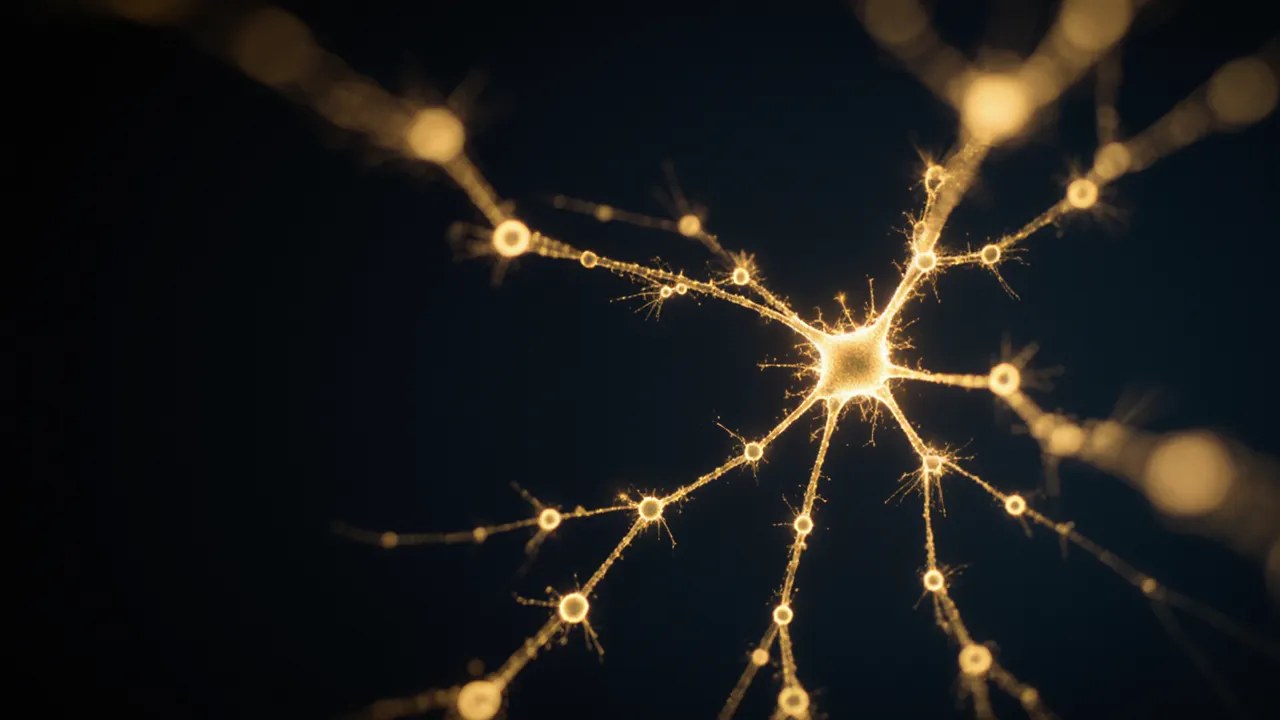
Imagine your body as a vast network of communication hubs, each transmitting and receiving signals. This network – composed of billions of cells exchanging millions of chemical messages – keeps tissues functioning, coordinated, and responsive.
Every second, your cells are talking to each other. They're coordinating movements, sharing nutrients, triggering repairs, and maintaining balance. Without these conversations, tissue would degrade into chaos.
"Cellular communication networks represent one of nature's most sophisticated coordination systems – billions of individual agents achieving seamless collaboration through chemical dialogue."
Hierarchical Signaling: Local and Systemic
Paracrine Signaling: The Local Conversation
At the local level, paracrine signaling connects neighboring cells through growth factors, cytokines, and extracellular vesicles. These short-range signals enable immediate tissue response, allowing cells to adapt rapidly to their microenvironment.
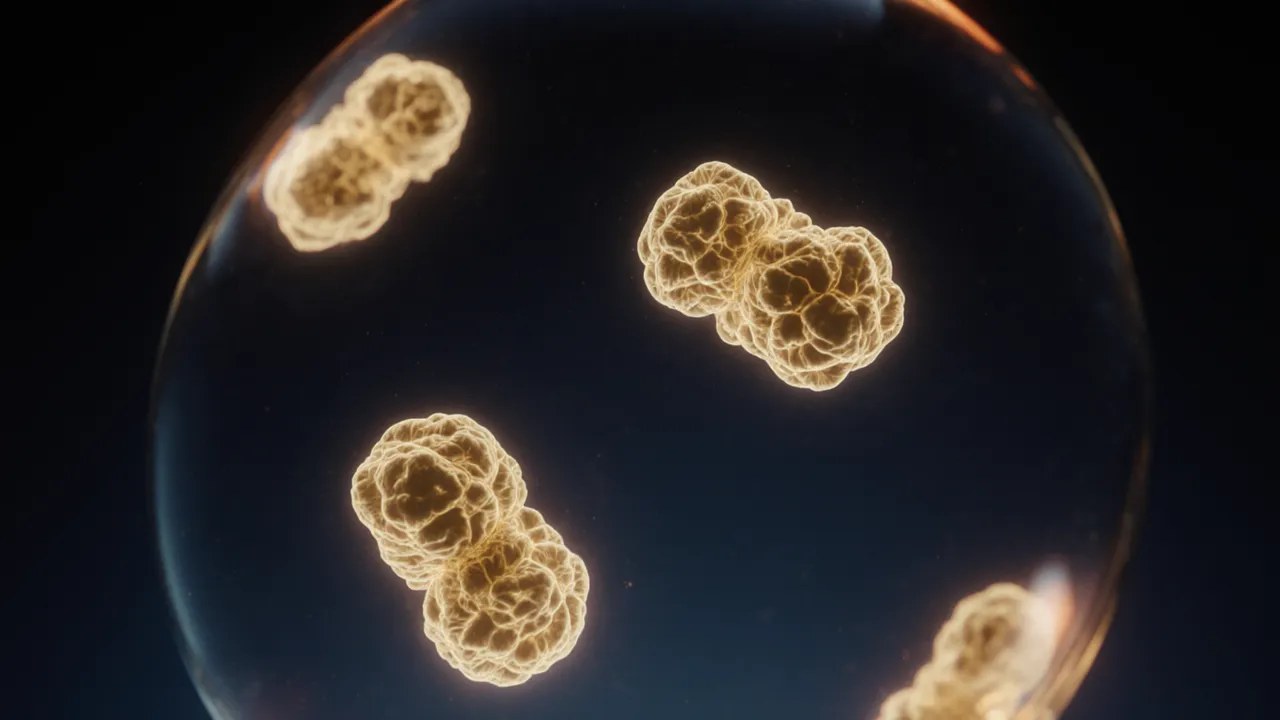
Growth factors diffuse across tiny distances to stimulate cell proliferation and differentiation. Cytokines trigger inflammatory and repair responses. Extracellular vesicles – tiny membrane-bound packages – carry bioactive molecules directly from cell to cell.
Endocrine Signaling: The Systemic Connection
At broader scales, endocrine signaling via hormones coordinates function across organ systems. A signal released from one location travels through the bloodstream to affect distant tissues.
These two systems work in concert. Local paracrine signals fine-tune tissue-specific responses, while endocrine signals establish whole-body coordination. Together, they create a multi-scale communication network.
The Redundancy Built Into Life
What's particularly fascinating is the redundancy built into these networks. Few signals operate in isolation. Instead, multiple pathways converge on similar outcomes.
If one signaling molecule is scarce, parallel pathways compensate. A cell that can't respond to one growth factor may respond to another that triggers similar biological effects. This redundancy ensures physiological resilience.
"Biological networks don't fail because one pathway is interrupted. Redundancy is built into the architecture itself."
Signal Integration
Signaling chemistry is surprisingly sophisticated. Signaling molecules don't simply activate target cells – they prime them, sensitizing them to additional signals. A cell receiving one growth factor becomes more responsive to others.
This signal integration is fundamental to biological regulation. It allows cells to respond proportionally to stimuli and make decisions based on multiple inputs simultaneously.
The Molecular Dialogue
Growth Factors and Cytokines
Growth factors are proteins that stimulate cell division, differentiation, and survival. They're essential for tissue repair, maintenance, and adaptation. Cytokines are smaller signaling proteins that regulate immune response and inflammation.
These molecules work at extraordinarily low concentrations. A single growth factor molecule can trigger cascades of intracellular signaling. The body's precision in producing and deploying these molecules is remarkable.
Extracellular Vesicles: Molecular Couriers
Extracellular vesicles and the secretome play central roles in these networks. By carrying growth factors, cytokines, and signaling molecules, they maintain the molecular dialogue keeping tissues functioning.
These vesicles protect their cargo from degradation, target specific cells, and deliver molecules that might otherwise be unstable. They're nature's solution to reliable long-range cell-to-cell communication.
Looking Forward: Supporting Healthy Communication
Healthy cellular signaling networks depend on adequate production and delivery of molecules mediating intercellular communication and supporting physiological homeostasis. When these systems are compromised – through injury, age, or disease – tissue function declines.
Understanding these networks reveals why supporting your body's natural signaling capacity is so important. Your cells already know how to repair tissue; they just need the molecular tools to do it.