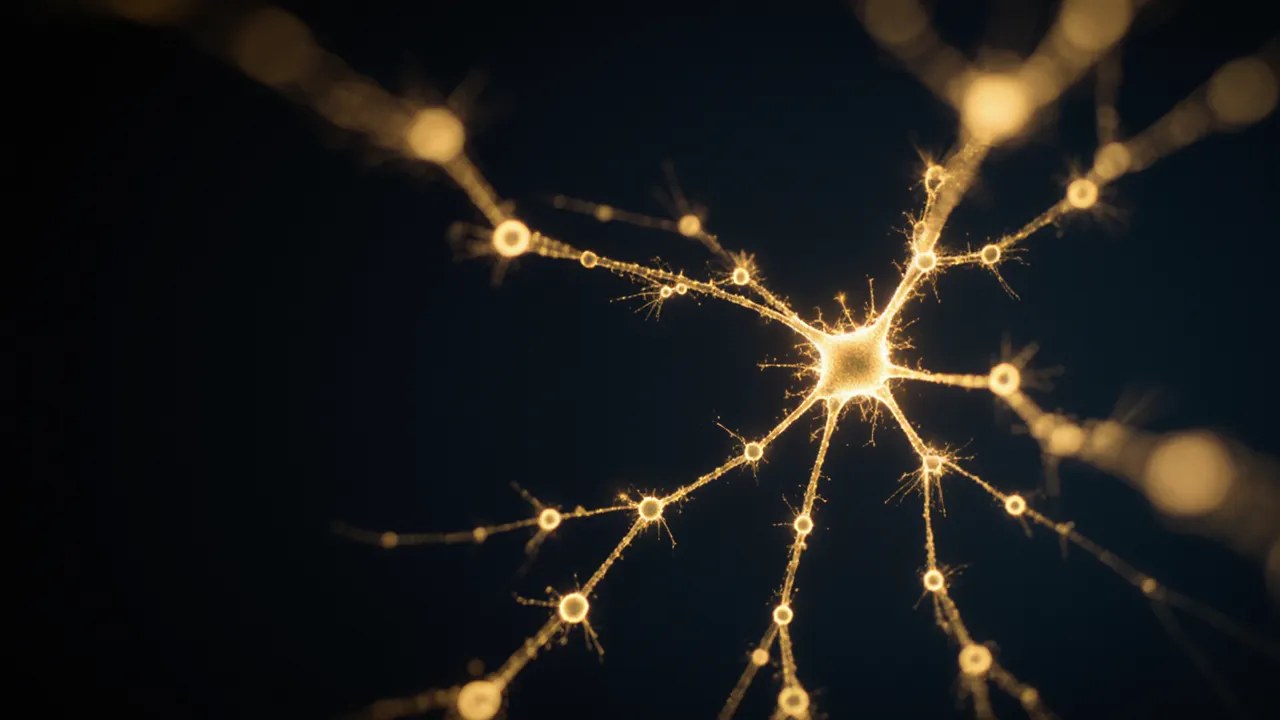
The Elegance of Biological Targeting
One of the most elegant aspects of extracellular vesicle biology is their specificity. These tiny molecular packages – some smaller than viruses – don't drift randomly through tissue spaces. Instead, they're directed toward particular cellular destinations with remarkable precision, guided by molecular recognition systems honed over millions of years of evolution.
This specificity is not coincidental; it's fundamental to how biological systems maintain order and enable targeted communication across complex tissues.
The Lock-and-Key Targeting System
Surface Proteins as Address Labels
Extracellular vesicles carry surface proteins – called ligands – that function like molecular address labels. These surface proteins bind to complementary receptor proteins displayed on target cells. The interaction follows a lock-and-key principle: a vesicle with a particular ligand will primarily interact with cells displaying matching receptors.
Vesicle targeting operates through molecular recognition: each vesicle carries biological address labels that guide it to specific cellular destinations.
This specificity prevents cellular chaos. Rather than releasing signals that affect all nearby cells indiscriminately, cells package targeted extracellular vesicles carrying surface proteins that preferentially interact with cells capable of mounting appropriate biological responses.
Precision in Biological Communication
The molecular specificity of vesicle targeting enables sophisticated communication networks. A stressed muscle cell might release vesicles carrying one set of surface ligands, directing them toward immune cells and fibroblasts – the cells most capable of mounting supportive responses.
Meanwhile, the same tissue region might simultaneously receive vesicles from other sources carrying different surface proteins, targeting completely different cell types. This layered specificity allows multiple simultaneous conversations occurring in the same tissue space without interference.
How Targeting Works at the Cellular Level
Binding and Cellular Uptake
The process begins with binding: vesicles carrying particular ligands encounter cells displaying matching receptors. This binding event is highly specific – a poor match simply won't stick, allowing vesicles to pass by unrecognized.
Once binding occurs, something remarkable happens. The vesicle doesn't simply stick to the cell surface; it undergoes endocytosis – the cell essentially engulfs the vesicle, pulling it inside. Inside the cell, the vesicle releases its cargo directly into the cellular interior where it can exert maximum effect.
Signal Integration and Cellular Response
Once inside, vesicle cargo – proteins and RNA molecules – alters cellular behavior. Growth factor proteins might activate signaling pathways that promote cell growth and survival. MicroRNAs might suppress specific genes. The specific response depends on what cargo the particular vesicle carried.
Dynamic Targeting and Physiological Adaptation
Vesicles Adjust to Physiological Needs
What's fascinating from a systems biology perspective is that targeting is dynamic – it changes in response to physiological conditions. Cells adjust which surface proteins they package into vesicles based on current biological needs and environmental signals.
Vesicle targeting reflects your body's real-time physiological state, continuously adapting which messages get sent to which cells.
During periods of physiological stress – muscle injury, inflammation, metabolic challenge – cells might package different surface proteins into their vesicles, essentially reprogramming their messaging to direct vesicles toward different target cells and trigger different response patterns.
Tissue-Specific Targeting Patterns
Different tissues and cell types have evolved different vesicle-targeting strategies appropriate to their biological roles. Immune cells have one targeting system; muscle cells have another; endothelial cells have yet another. This diversity enables tissue-specific biological conversations while preventing cross-talk between unrelated systems.
The Molecular Address System
Surface Markers and Cellular Fate
The surface proteins that guide vesicle targeting are sometimes called tetraspanins or integrins – molecular markers that serve as cellular identity cards. These markers specify not just what cell type a vesicle is addressed to, but sometimes what specific cellular state or functional status.
A vesicle might carry markers targeting it toward activated immune cells, or to cells in specific phases of the cell cycle, or to cells expressing particular metabolic states. This granularity enables biological precision at the cellular level.
Implications for Understanding Healing
Targeted Biological Support
Understanding vesicle targeting illuminates why cell-free preparations containing concentrated autologous vesicles can be therapeutically valuable. These preparations contain your own cells' vesicles – vesicles produced by your own biological system, carrying your own cells' targeting signals.
When delivered to tissue regions supporting healing and function, these vesicles find their natural targets through the same molecular recognition systems that evolved to coordinate biological processes. The system is already optimized for your own physiology.
Looking Forward
Vesicle targeting represents one of nature's most elegant solutions to the problem of precision in biological systems. Rather than broadcasting messages to all cells indiscriminately, biology evolved a system where each message carries an address label ensuring it reaches the appropriate destination.
As research continues to elucidate the specific targeting patterns cells employ under various physiological conditions, we gain deeper insights into how the body coordinates healing, maintains tissue function, and responds to injury. This knowledge translates directly into more sophisticated approaches to supporting biological function through regenerative medicine.