Beyond Cellular Isolation
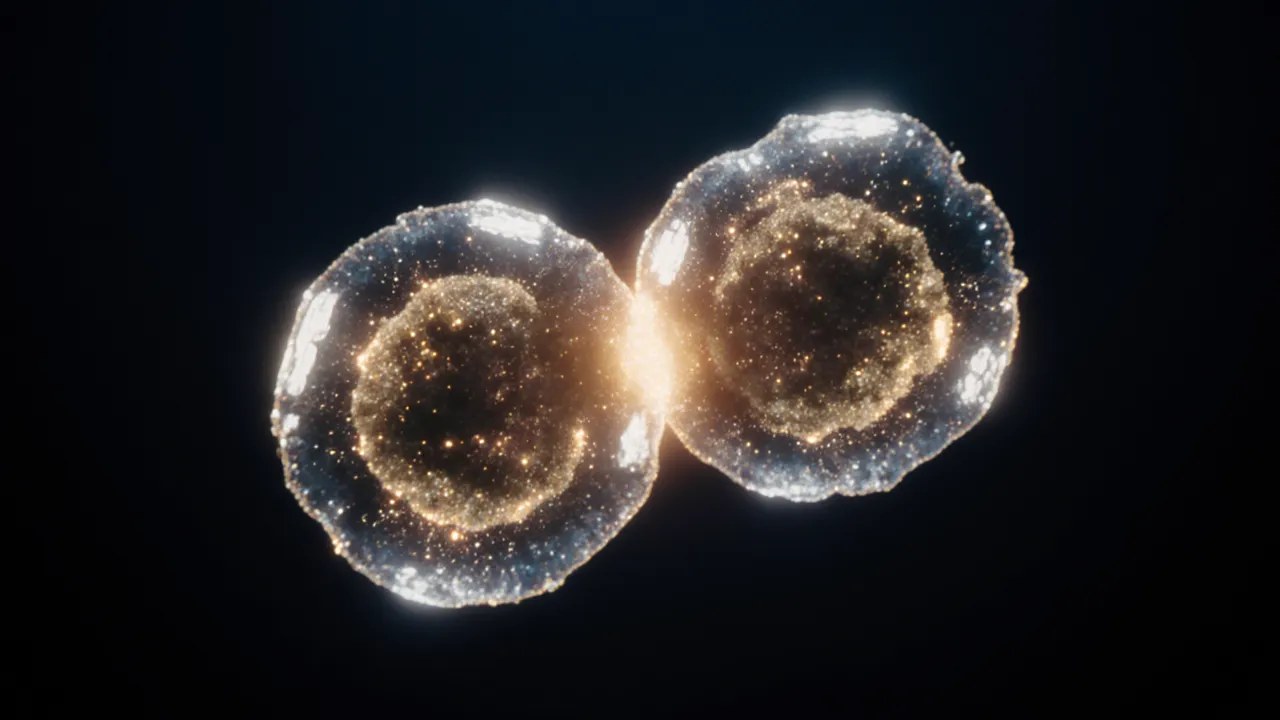
Cells don't float freely in isolation. They exist within a complex three-dimensional environment composed of proteins and polysaccharides – the extracellular matrix (ECM). This surrounding scaffold is far more than structural support.
The extracellular matrix is an active participant in cellular signaling and a repository of growth factors. It's woven into tissue architecture while simultaneously organizing cellular behavior. It's both foundation and communication system.
"The extracellular matrix isn't just scaffolding cells rest upon – it's a dynamic, information-rich environment that tells cells how to behave."
The Composition of Life's Scaffold
A Tissue-Specific Architecture
The extracellular matrix comprises collagen, elastin, proteoglycans, and other proteins organized in tissue-specific ways. Collagen provides tensile strength and structure. Elastin gives tissues resilience and flexibility.
Proteoglycans are complex molecules composed of proteins decorated with carbohydrate chains. They bind water, creating hydrated gels that fill spaces between cells. These components are arranged differently in bone, cartilage, muscle, and skin – each pattern optimized for that tissue's function.
A Dynamic, Living System
Critically, the ECM is dynamic – constantly remodeled by cells in response to physiological demands. When you exercise, your muscle's extracellular matrix adapts. When you injure tissue, the ECM is dismantled and rebuilt as part of repair.
This remodeling is orchestrated by enzymes called matrix metalloproteinases, which cells secrete to break down old ECM components. Simultaneously, cells deposit new matrix molecules. This continuous cycle maintains tissue integrity while allowing adaptation.
The Extracellular Matrix as a Growth Factor Reservoir
Sequestration and Release
Here's what's particularly fascinating: the ECM serves as a reservoir for signaling molecules. Growth factors and cytokines don't simply diffuse away freely into surrounding fluid.
Many bind tightly to ECM components, creating local concentrations that regulate when and where signals are released. This sequestration allows tissues to maintain growth factor libraries that can be mobilized during repair. It's cellular storage for molecular signals.
"By binding growth factors, the extracellular matrix transforms diffuse signaling into controlled, localized information delivery."
Context-Dependent Signaling
The ECM also provides context for signaling. Cells sense their environment through direct contact with ECM proteins. Integrins – cell surface receptors – bind ECM components and transmit information about tissue stiffness, composition, and organization back into the cell.
This mechanotransduction influences how cells respond to paracrine signals. A growth factor signal might trigger different cellular responses depending on the ECM context. A soft ECM might signal growth and proliferation, while a stiff ECM might signal differentiation or quiescence.
Signaling Networks Within Structure
Hierarchical Information Integration
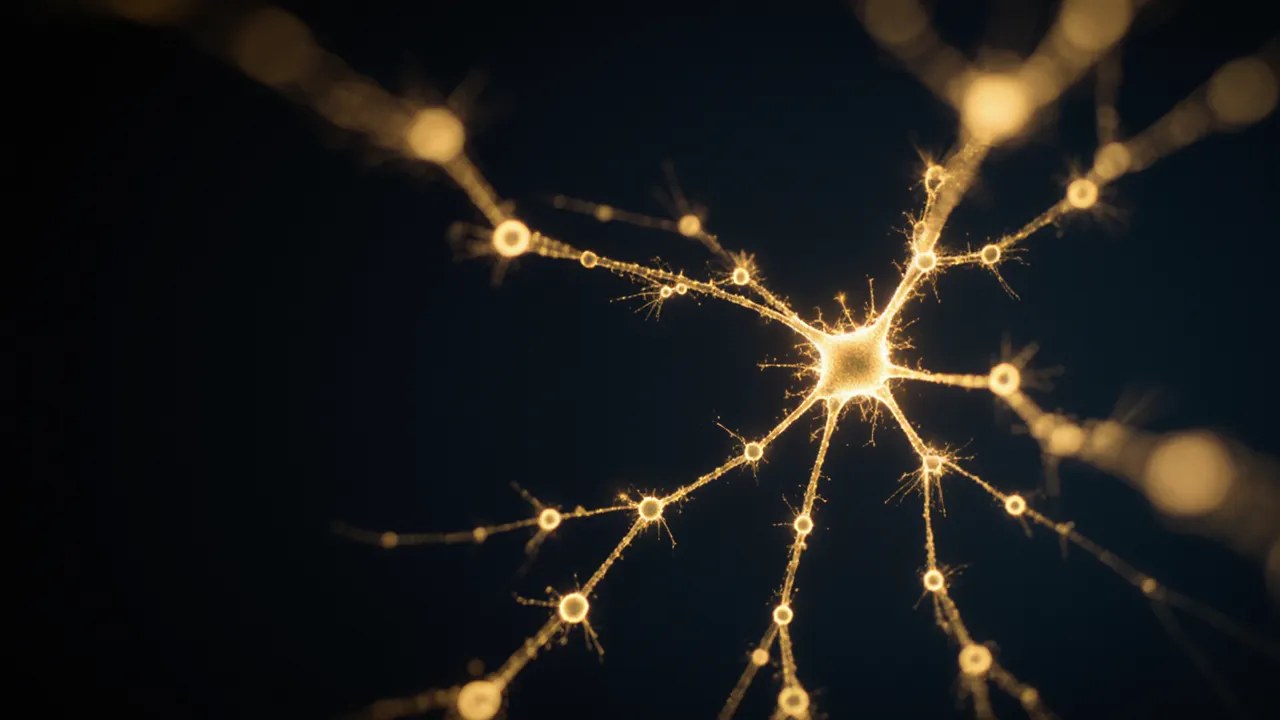
The integration of ECM and paracrine signaling reveals a sophisticated system. Cells are embedded in a molecularly complex environment that shapes responses. A cell doesn't simply receive a growth factor signal; it receives it in the context of mechanical cues, nearby signaling molecules, and ECM composition.
This hierarchical integration allows tissues to respond proportionally and appropriately to stimuli. It's how damage triggers repair rather than unlimited proliferation. It's how growth is coordinated with tissue organization.
The Three-Dimensional Context
The three-dimensional nature of the ECM is crucial. Signaling in three dimensions works differently than in two-dimensional cell culture. Growth factors diffuse through a mesh rather than spreading uniformly in all directions. Cell-to-cell contacts are mediated by ECM architecture.
This three-dimensional context is why laboratory discoveries don't always translate directly to tissue behavior. Understanding tissue requires understanding both the cells and the matrix surrounding them.
Supporting Natural Tissue Function
Restoration Through Understanding
Understanding this context explains why the body's own biological material operates effectively within natural tissue environments. When you support tissue with growth factors and cytokines your body naturally produces, these molecules integrate seamlessly into existing ECM infrastructure.
They bind to ECM components as they naturally would. They participate in the signaling networks the tissue already depends on. They support cellular communication within a context the tissue understands.
The Wisdom of Your Body's Design
The sophistication built into tissue repair reveals something profound: your body already possesses sophisticated systems for maintaining and restoring itself. The extracellular matrix, the cells it surrounds, and the signaling molecules orchestrating their communication form an integrated system refined over millions of years.
Rather than imposing new structures or signals, effective regenerative medicine works with these existing systems. It provides the molecular tools your body uses naturally, allowing your own physiology to do what it's evolved to do – repair and maintain tissue.